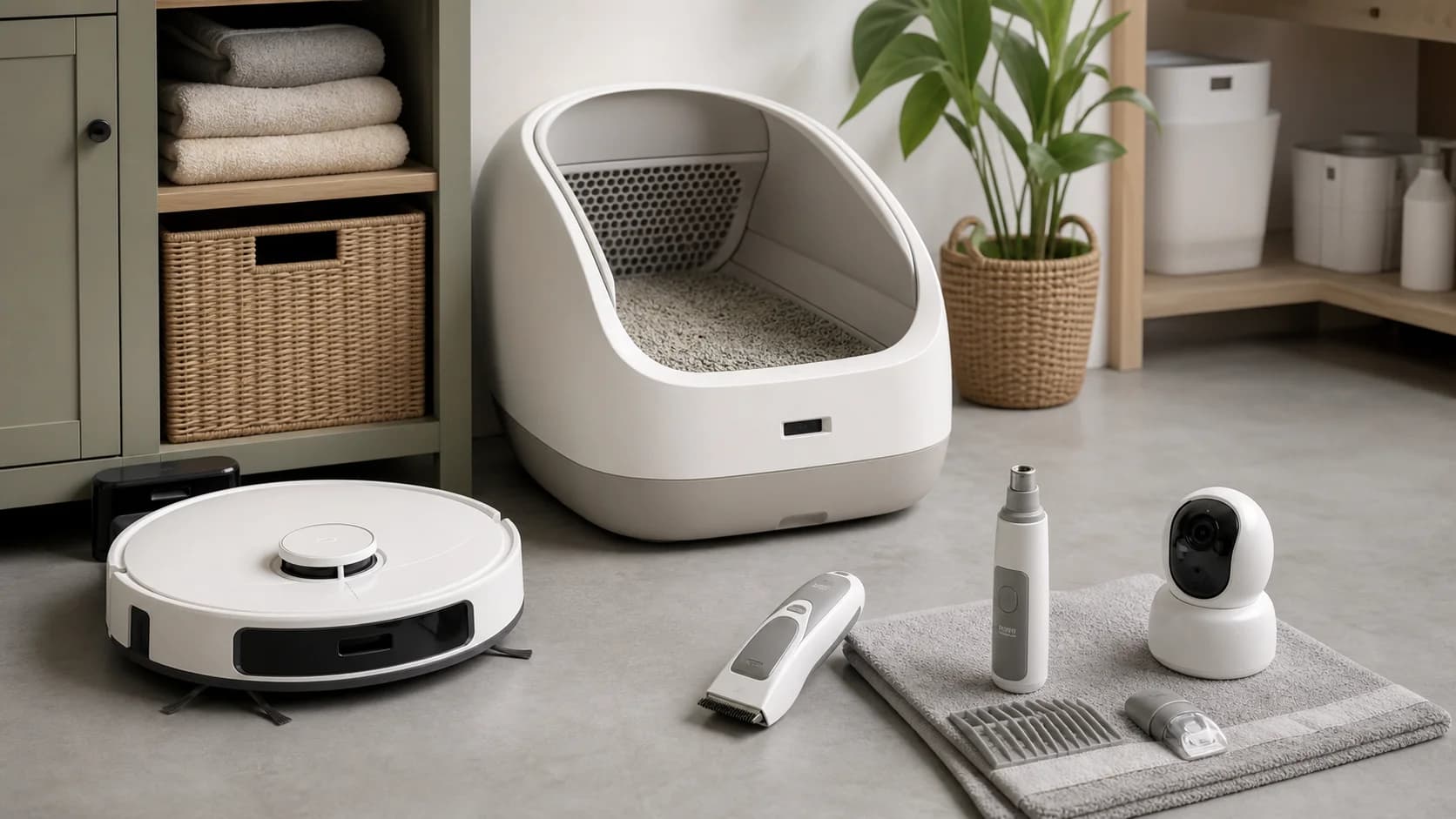
Build the cost beyond checkout
Normal ownership includes lid and groove cleaning, litter on the top, lifting a large box, liners, and switching as mobility changes. Put those items beside the purchase price before comparing products, then add filters, liners, bags, batteries, subscriptions, cleaning supplies, replacement parts, training time, and a simple manual backup and the cost of downtime.
Maintenance starts with opening and interior dimensions and cat age, size, and mobility
For top-entry litter boxes, opening and interior dimensions and cat age, size, and mobility are not only buying checks; they determine what must be inspected, cleaned, updated, calibrated, charged, or replaced. Confirm that service points remain reachable after installation and that parts are sold for the exact model rather than only for a similar family name.
Watch lid grip and structural stability and scooping access, liner use, and floor placement over the first year
Record the top-entry litter boxes baseline for lid grip and structural stability and scooping access, liner use, and floor placement after setup and check it after ordinary use. Ownership problems are easier to catch when settings, measurements, supply part numbers, and photos are documented before wear, firmware changes, seasonal conditions, or a different user changes the result.
Price failure and recovery
For top-entry litter boxes, ask what happens after loss of power, network, water flow, food delivery, waste removal, a consumable, normal access, or an animal refusing the device. Keep the instructions, warranty, exact product identity, data-removal steps where applicable, and a practical fallback. The previous front-entry litter boxes routine should remain available until recovery is proven.
Know the economic stop point
Exit when the cat is elderly, injured, large, or hesitant to jump, or reduced access risks avoidance and inappropriate elimination. Also stop spending when recurring parts, service, cleaning, or recovery work exceeds the value of the repeated job. A familiar alternative is often cheaper than extending ownership of a mismatched specialized product.